
Power reliability makes or breaks Western Australia’s mining, construction, and industrial projects. In remote regions, downtime is not an option. The challenge many operators face is choosing between diesel vs hybrid power systems. Diesel delivers proven dependability, while a hybrid offers efficiency and sustainability.
We compare both approaches across cost, performance, and environmental impact to help you choose the right system for your project.
Understanding Diesel Power Systems
In WA mining, diesel supplies around 41% of total energy use, making it the sector’s dominant fuel source. Here are some pros and drawbacks.
How Diesel Generators Work
Diesel generators burn fuel to create mechanical energy and then convert it into electricity. In WA, they remain a backbone for mining, construction, and industrial projects due to their proven track record.
Strengths of Diesel Power
Diesel systems prove their reliability across WA projects after decades of service. Our supply chains deliver fuel consistently to mining and industrial hubs, ensuring dependable power generation for demanding operations.
These generators handle heavy loads continuously and power projects that run 24/7. They provide resilience in remote regions and give operators confidence that productivity will not stop, even under harsh conditions.
Limitations of Diesel Systems
Diesel power increases operational costs as fuel prices rise. Combustion produces significant greenhouse gas emissions, creating compliance challenges for projects seeking to reduce their environmental footprint across Western Australia.
Generators also create noise that disrupts work environments. Engines demand frequent servicing and spare parts, requiring ongoing maintenance schedules that add cost and complexity for operators managing remote mining and construction projects.
Learn more: New Federal net-zero plan spotlights resources sector.
What Is a Hybrid Power System?
In remote WA mining sites, hybrid systems now deliver between 15 to 40% of total power. Here is what you should know:
Core Components
Hybrid systems integrate diesel generators with renewable sources like solar or wind, plus battery storage. This layered design balances immediate power needs with renewable efficiency.
Advantages of Hybrid Solutions
Hybrid systems cut diesel consumption significantly, delivering fuel savings that reduce operating costs. They lower emissions, helping projects meet compliance requirements and achieve ESG goals while supporting WA’s push for sustainable operations.
Batteries and renewables reduce generator runtime, creating quieter worksites with less disruption. Digital monitoring platforms provide real-time oversight and predictive maintenance, keeping power reliable and simplifying management in remote conditions.
Potential Drawbacks
Hybrid systems demand higher upfront investment compared to diesel stations. Projects invest more capital at the start to gain future fuel savings, reduce emissions, and strengthen sustainability outcomes across long-term operations.
Integration adds technical complexity that requires expert planning. Our engineers design and commission hybrid systems, while trained technicians manage renewable and battery components, ensuring smooth performance and reliable power in demanding WA conditions.
Key Comparison: Diesel vs. Hybrid Power
| Factor | Diesel Power Station | Hybrid Power Station |
| Fuel efficiency | Dependent on diesel alone | Reduces diesel use with renewables |
| Emissions | High greenhouse gas output | Significantly lower emissions |
| Maintenance | Regular servicing needed | More complex, but predictive monitoring reduces downtime |
| Initial investment | Lower upfront | Higher upfront |
| Reliability in WA conditions | Proven in extreme heat and dust | Reliable when designed for harsh climates |
| Scalability | Straightforward expansion with more generators | Flexible with modular renewables and batteries |
Factors to Consider for Your Project
Your project’s conditions will determine whether diesel or hybrid power is the better fit:
- Project duration and scale: Short-term projects often favour diesel due to lower capital outlay. Long-term projects see more value in hybrids.
- Location and fuel logistics: Remote Pilbara projects rely heavily on diesel transport. Hybrid systems reduce fuel dependency, lowering logistical risk.
- Environmental compliance requirements: Hybrid power supports emissions reduction targets and may ease approval processes under WA’s tightening environmental standards.
- Long-term vs short-term cost impact: Diesel offers lower startup costs but higher fuel bills. Hybrids pay back through fuel savings and reduced maintenance.
- Future expansion and scalability needs: Hybrid systems grow with modular renewables and battery additions, providing flexibility for evolving project scopes.
Case Study: 2MVA Power Station in the Pilbara
Challenges
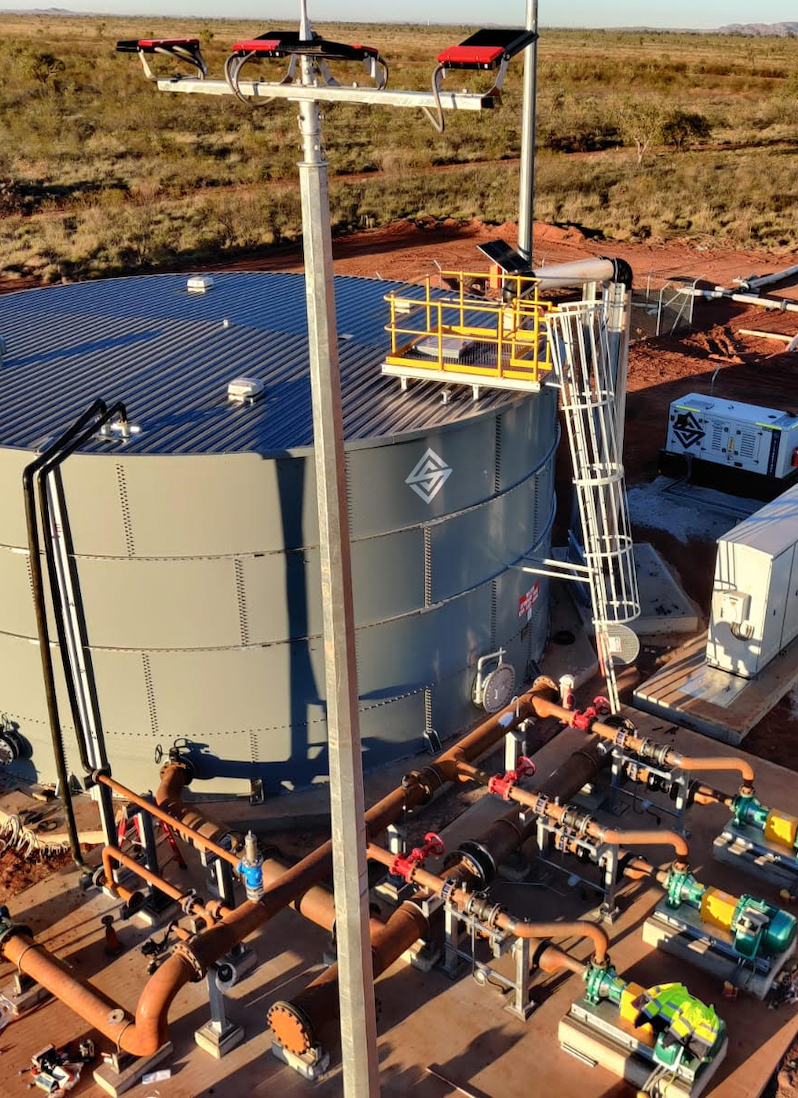
Our experts faced one of WA’s harshest environments with a reliable 2MVA solution. A major Pilbara project needed a reliable power station to support continuous operations in one of WA’s harshest environments. The client required electrical, mechanical, and civil expertise, with strict expectations for safety, schedule, and budget.
Solutions
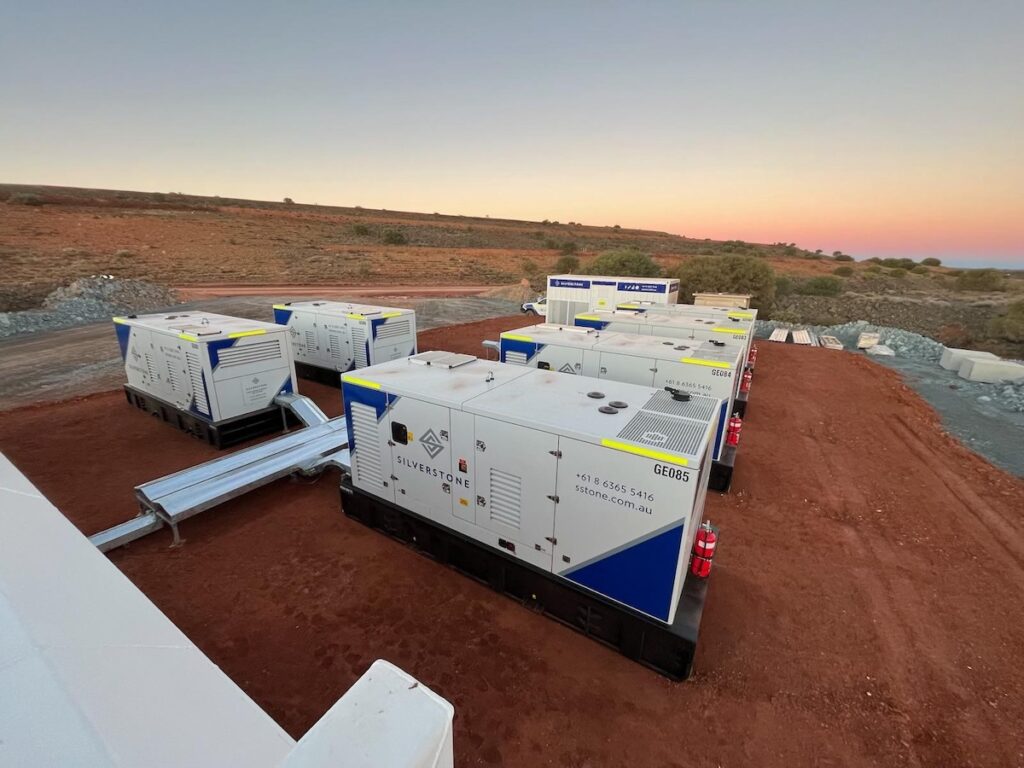
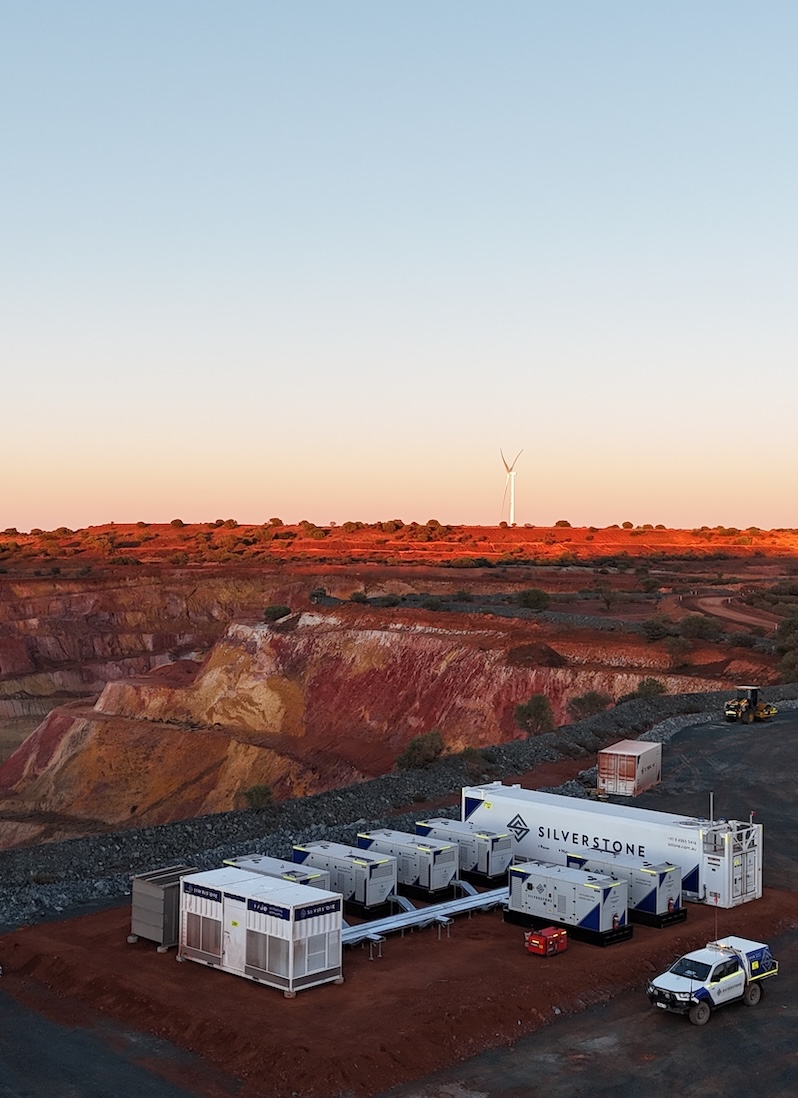
Our in-house experts designed, supplied, installed, and commissioned a 2MVA power station with full turnkey delivery:
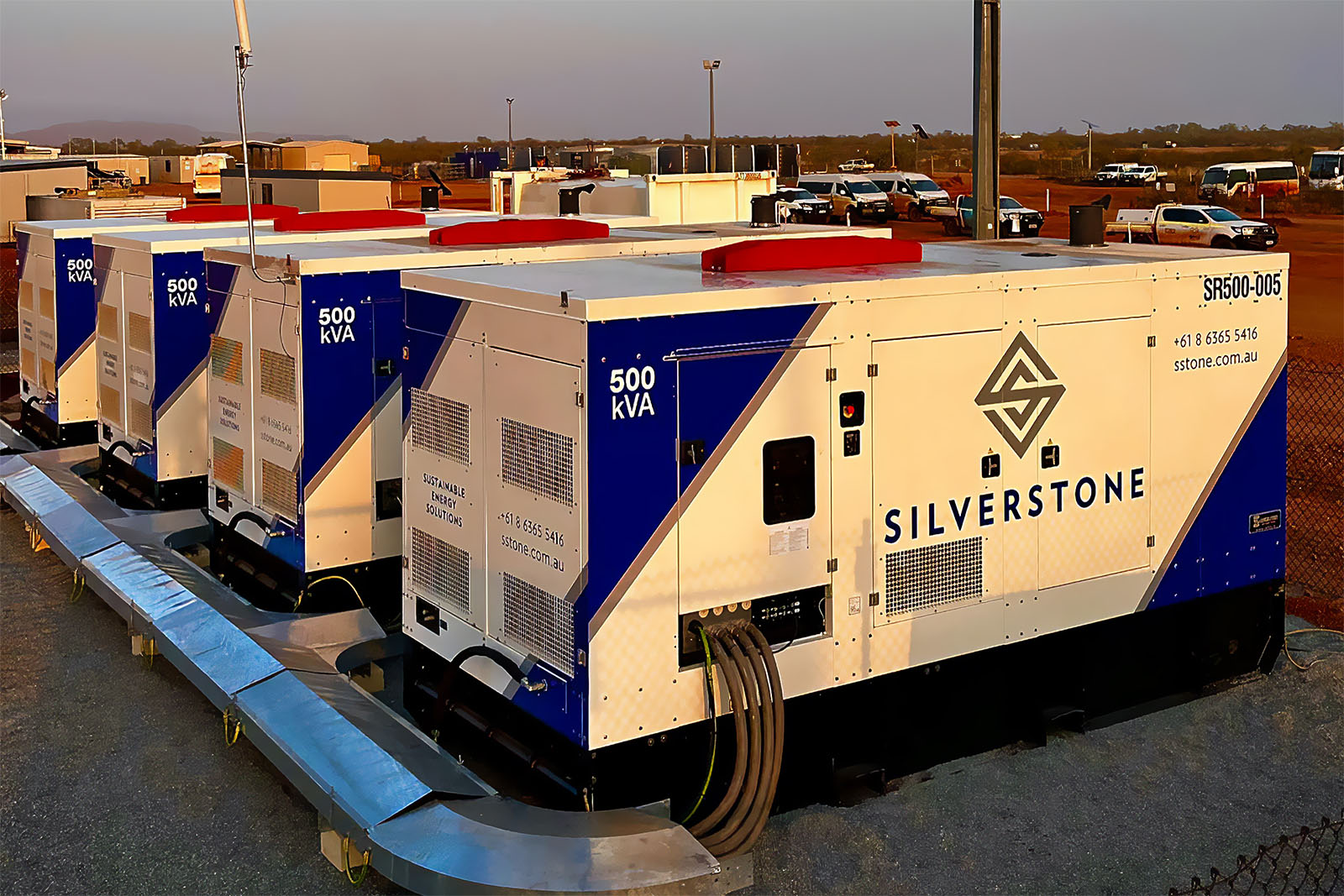
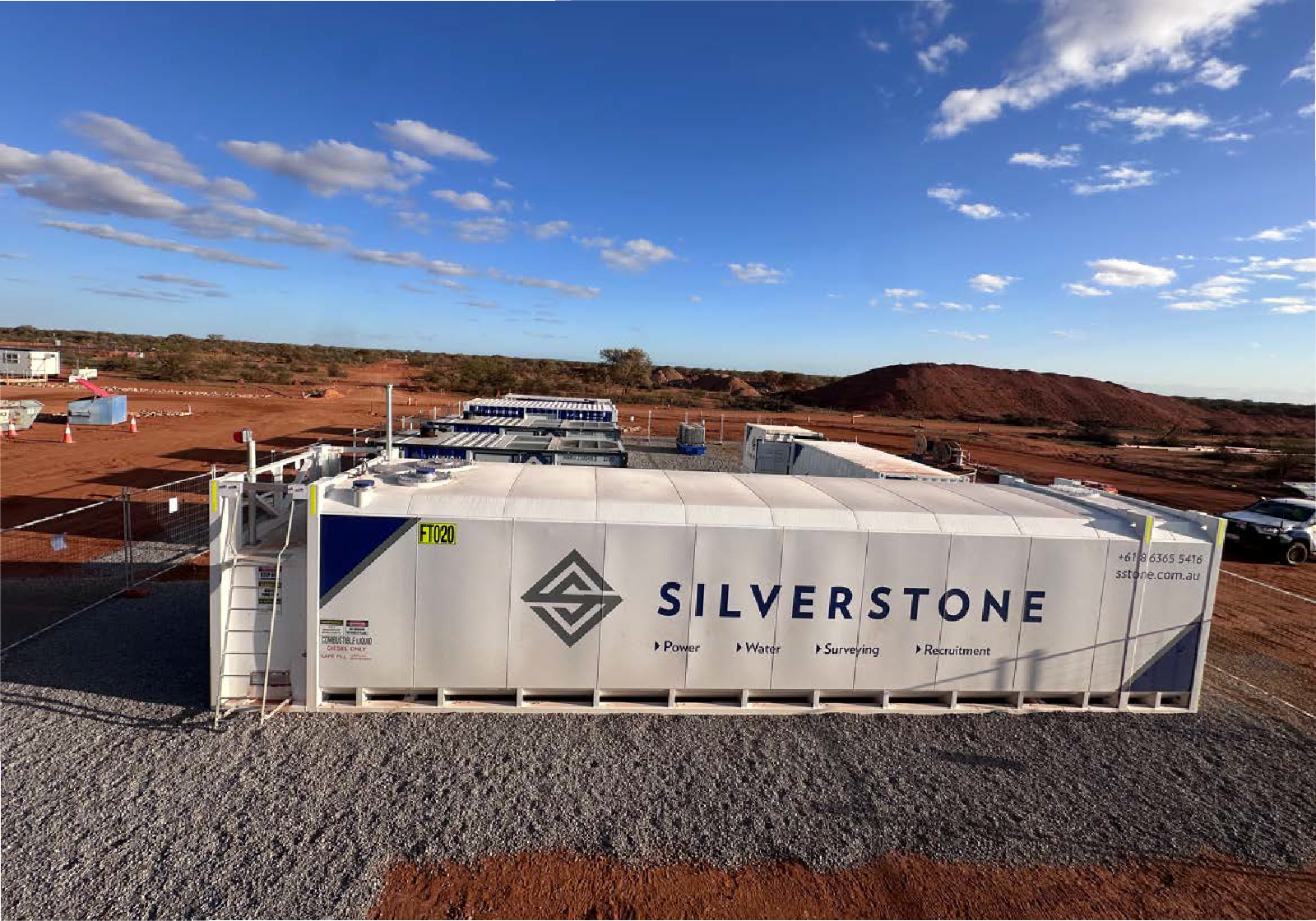
✔️ Power generation: We installed four 500kVA synchronised generators supported by a 30,000-litre fuel tank.
✔️ Control and distribution: We integrated a motor control centre and a service container to manage operations.
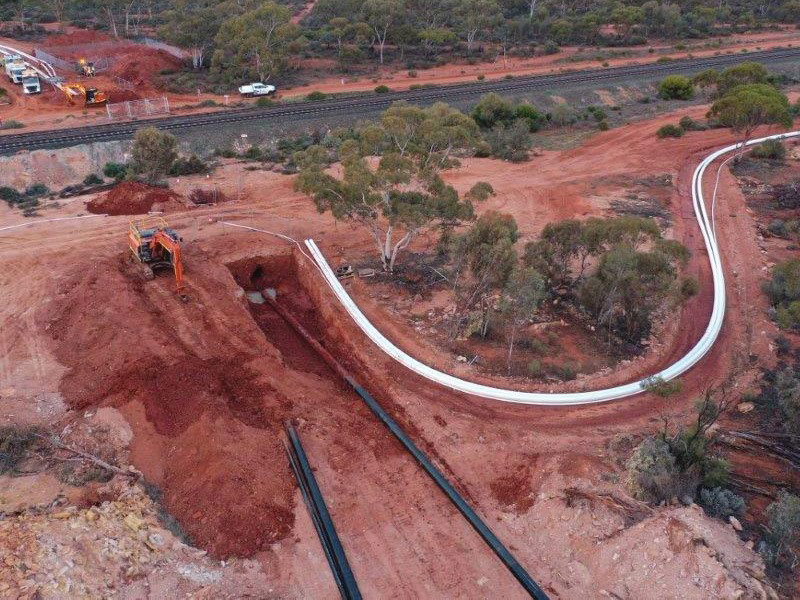
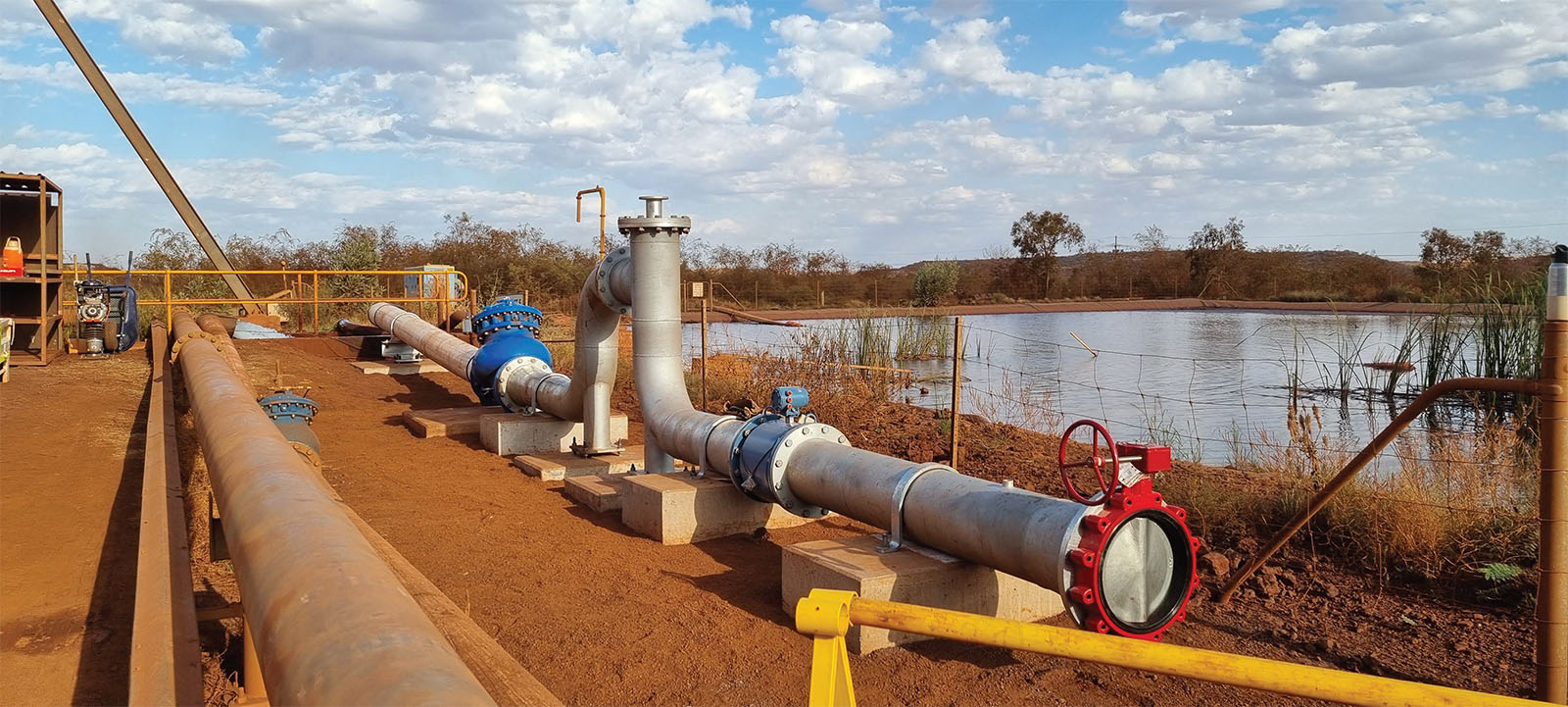
✔️ Infrastructure and cabling: We delivered complete cabling, fuel piping, and cable ladder systems.
✔️ Civil and electrical works: We constructed a level pad, installed an earth grid, and added on-site lighting.
Results
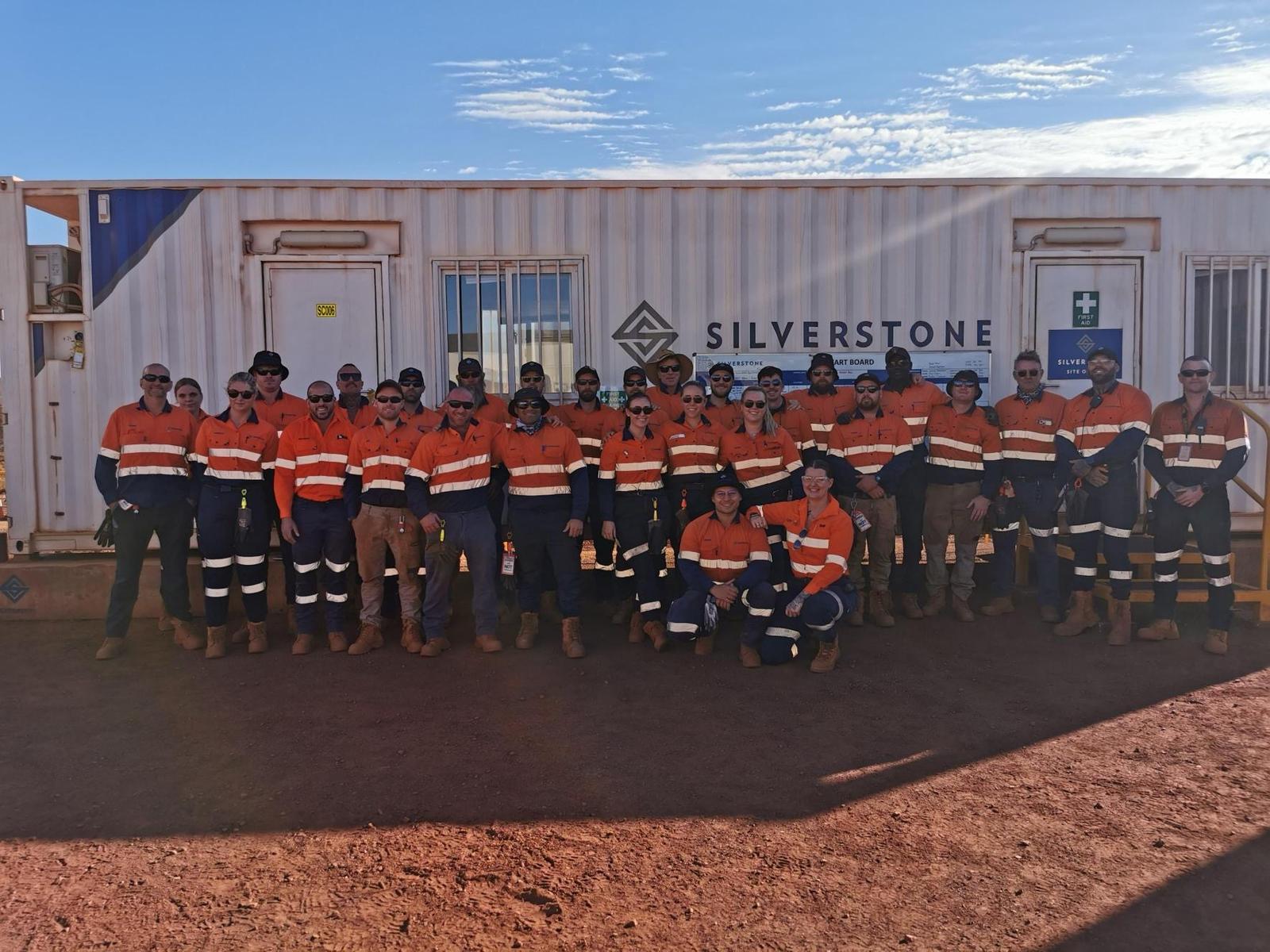
Our five-person team delivered the 2MVA project safely, on time, and within budget, providing reliable diesel power while preparing the client for future hybrid upgrades to reduce emissions and improve efficiency.
Discover more about our sustainable power systems projects.
How Silverstone Helps You Decide
We start with a detailed needs assessment. Our team analyses your operational requirements and identifies risks early. We tailor every power system to maximise efficiency, safety, and long-term value.
As one of the best EPC contractors Perth has to offer, our experts bring on-ground experience in WA’s toughest conditions. We design systems built to withstand Pilbara heat, dust, and remoteness, ensuring reliable performance that keeps mining and construction operations running.
We provide end-to-end delivery, from design and construction to servicing and ongoing support. By managing every stage in-house, we give clients a single partner for dependable, future-ready power infrastructure across Perth and WA.
Building WA’s Energy Future
Choosing between diesel vs hybrid power systems shapes cost, reliability, and sustainability for WA projects. Diesel delivers proven capacity today, while hybrid reduces emissions, saves fuel, and supports future growth.
We design and deliver efficient, future-ready power infrastructure across Western Australia. Explore your options with diesel power stations and hybrid power stations today.
Ready to power your next project with Silverstone? Call +61 8 6365 5416 or email info@sstone.com.au.