





Water infrastructure challenges shape every stage of mining in Western Australia. Processing, dewatering, dust control, and camps all depend on reliable systems. When water fails, production stops. Mines rely on systems that can cope with long distances, harsh heat, and strict regulations.
Silverstone understands the pressures in WA’s mining sector and delivers a complete, reliable solution. Learn how our integrated services keep water infrastructure compliant and dependable in harsh conditions.
The Role of Water Infrastructure in Mining Operations
Mining sites in WA rely on several water systems. Dewatering keeps pits open, processing needs steady feed water, tailings require controlled flow, and camps and wastewater systems support the workforce. Effective design links borefields, pipelines, storage, treatment, and reuse into one unified network.
Data shows the scale of the challenge: mining water demand in WA will increase between 780 and 1080 gigalitres per year by 2050 for the mining sector alone. Meanwhile, groundwater supplies dominate WA’s water use, with about 78 % of all licensed water extraction coming from groundwater aquifers.
As a leading water engineering company and turnkey provider, we ensure infrastructure meets these demands reliably, sustainably and in full compliance.
Challenge 1: Water Scarcity and Supply in Remote Mining Regions
Mining projects in Western Australia often operate far from reliable freshwater sources. Groundwater recharge rates in many regions have declined, while transport distances and evaporation rates continue to rise.
An inconsistent water supply can disrupt ore processing, impact dust control, and delay production schedules. Efficient management of every available drop is critical.
Silverstone’s Solution
Silverstone designs water capture and storage systems that maximise availability in remote conditions. Modular systems allow flexibility across varying terrain and project phases.
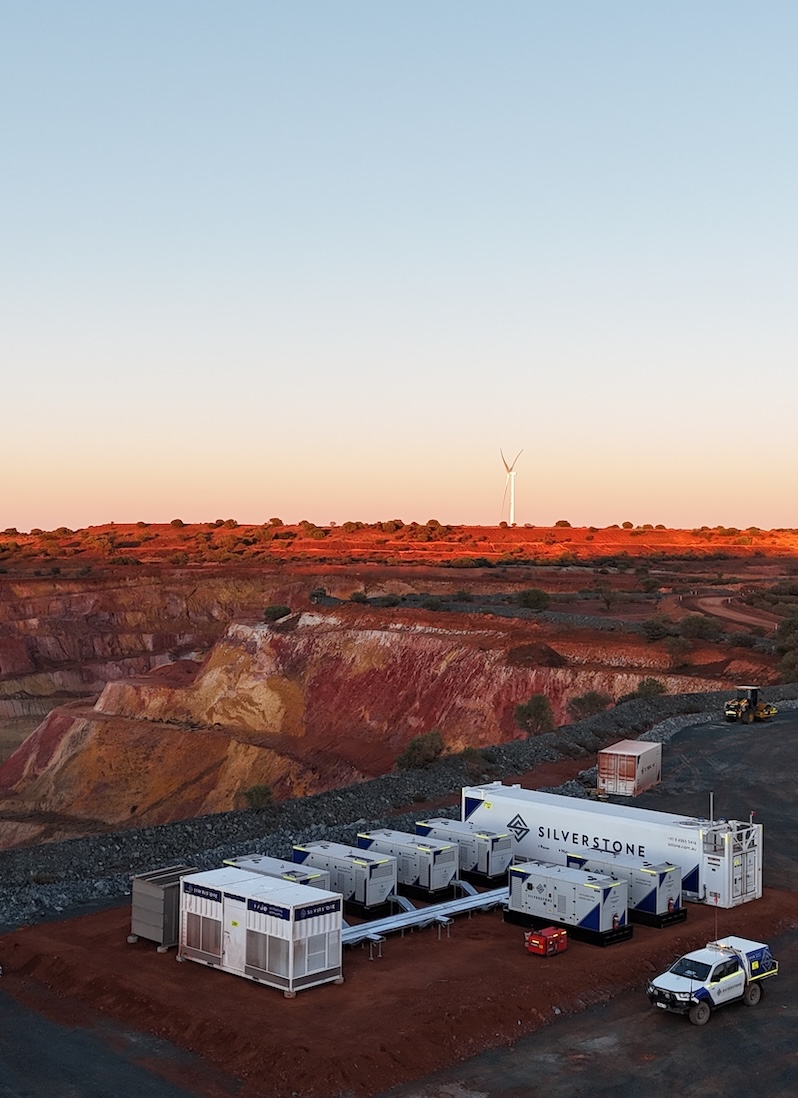
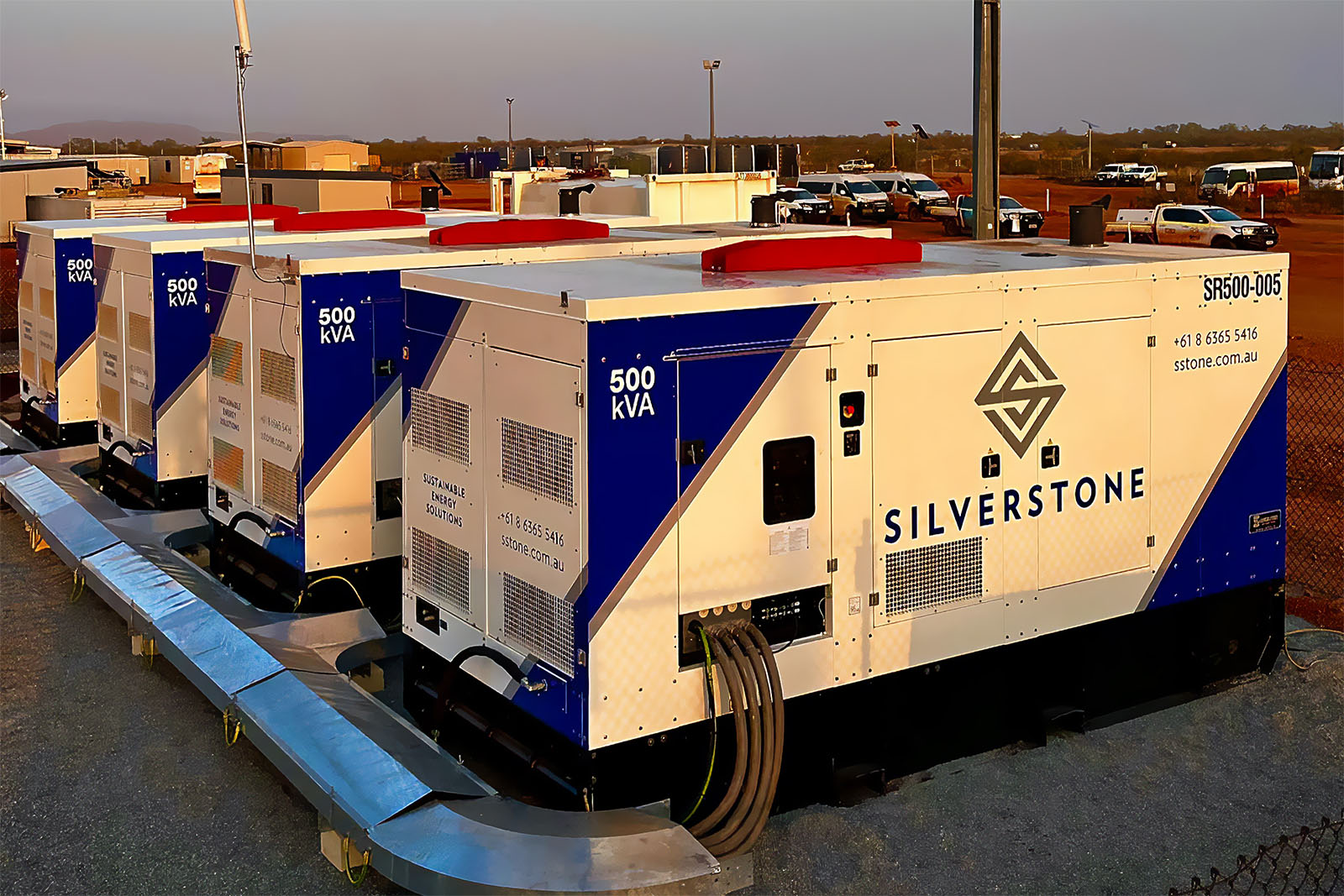
Our teams implement reuse and recycling strategies to reduce draw on freshwater sources. In previous projects, Silverstone integrated bore water systems with off-grid power and telemetry controls, ensuring reliable, self-sustaining operations across the Pilbara and Goldfields.
Challenge 2: Dewatering and Groundwater Control
Groundwater inflow is one of mining’s most persistent issues. Uncontrolled water can flood pits, damage equipment, and halt production.
Engineers must design dewatering systems carefully to maintain slope stability and meet environmental regulations.
Silverstone’s Solution
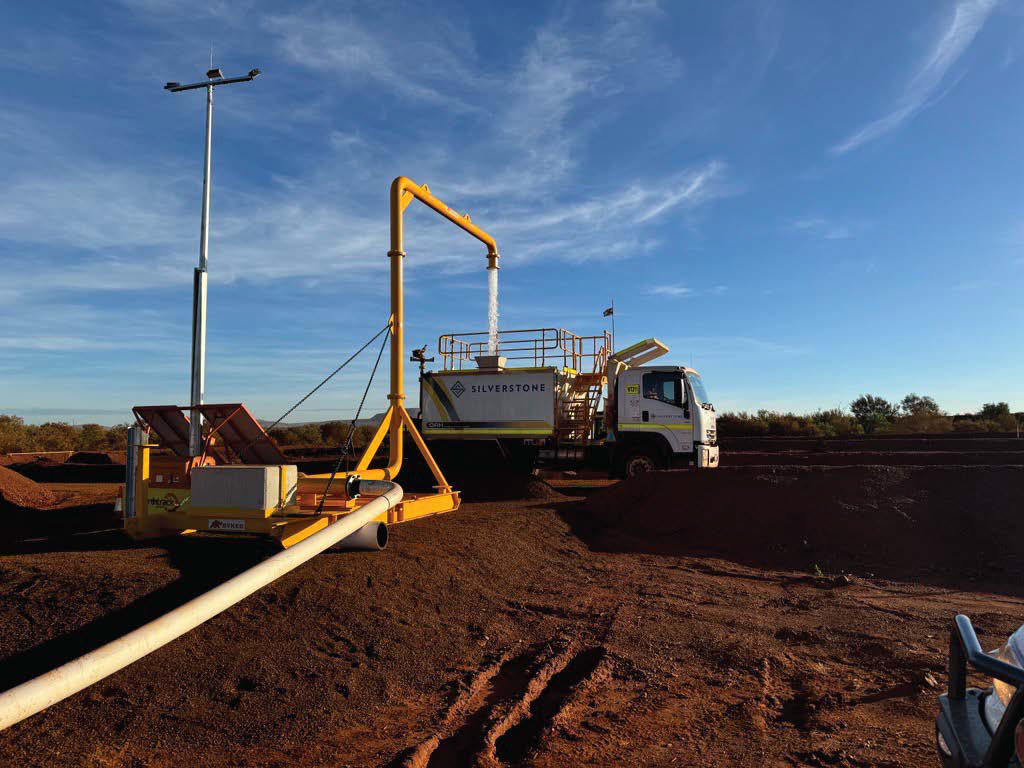
Silverstone develops precision dewatering and groundwater management systems tailored to each site’s geology and hydrology. Our designs combine bore pumps, HDPE pipelines, and telemetry controls for real-time monitoring.
This approach prevents costly downtime and supports environmental compliance. Silverstone’s local WA expertise ensures dewatering systems meet both operational and safety requirements under the rights in the Water and Irrigation Act 1914 and Department of Water and Environmental Regulation guidelines.
Learn more: Dewatering 101: What Every Project Manager Should Know.
Challenge 3: Harsh Site Conditions and Infrastructure Durability
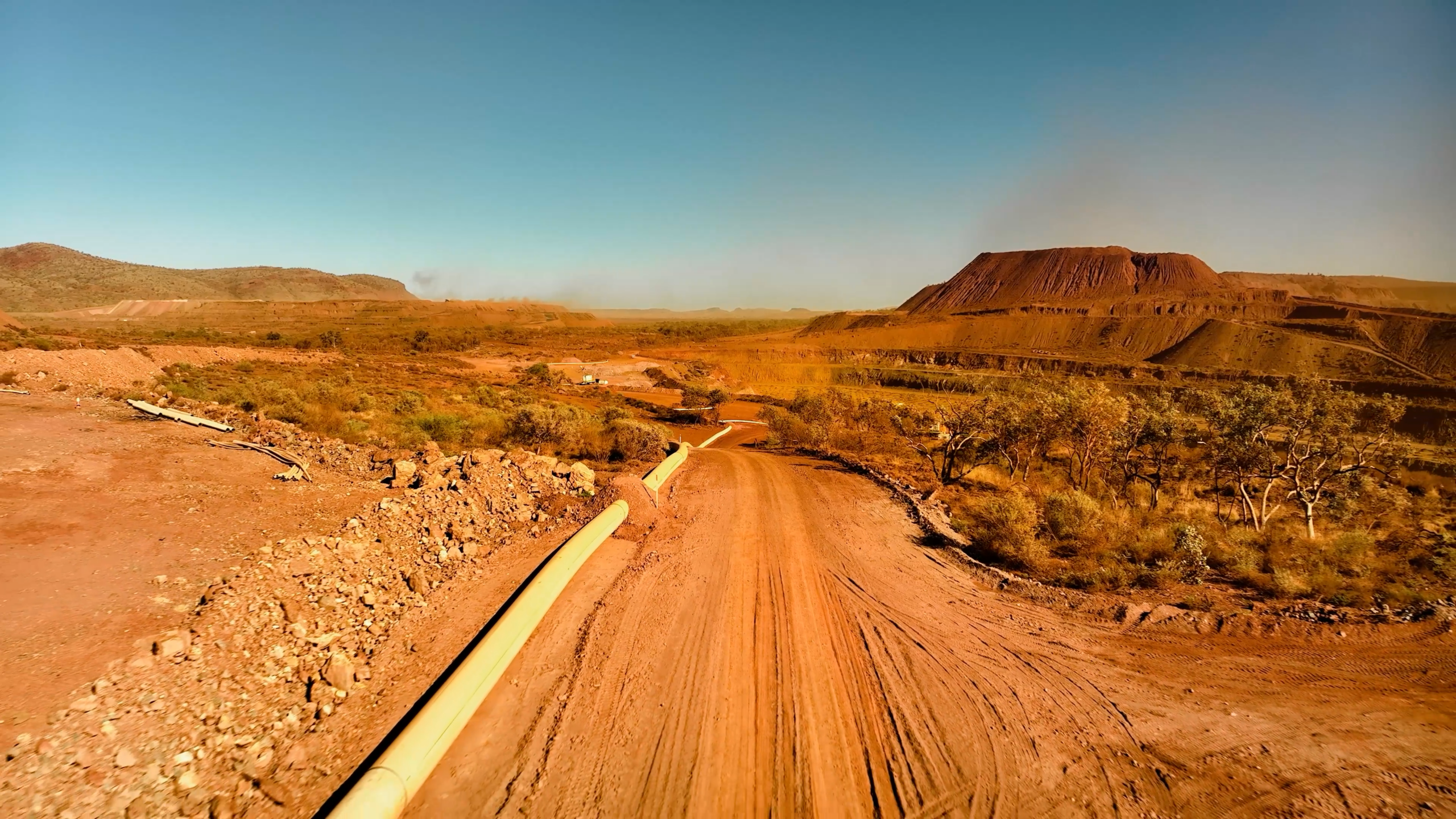
Heat, dust, and corrosive soils can quickly degrade equipment and pipelines. In the Pilbara, summer temperatures exceed 45°C and evaporation can top 3,000 mm annually. Without robust materials and proper installation, infrastructure failure becomes inevitable.
Silverstone’s Solution
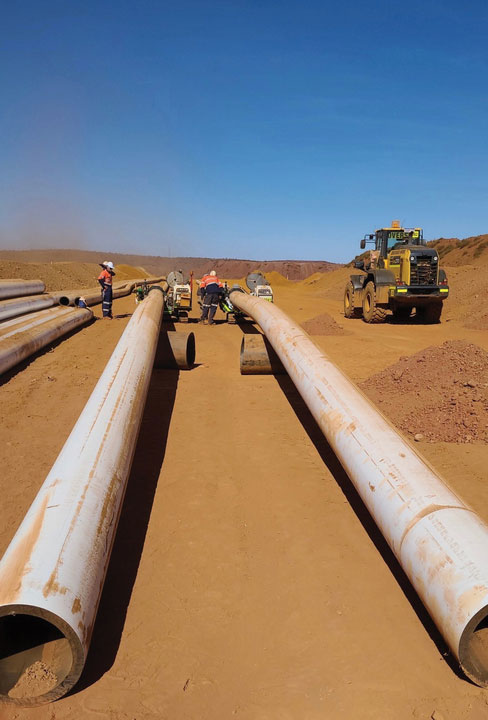
Silverstone’s water infrastructure contractors use corrosion-resistant materials such as PN16 HDPE piping and reinforced fittings to withstand WA’s harsh environments.
Civil works, including stabilised foundations and protected trenching, extend the lifespan of critical infrastructure. Preventive maintenance schedules and regular inspections help avoid unexpected shutdowns.
Our 24/7 site service teams provide immediate response to breakdowns, reducing downtime and ensuring production continuity.
Challenge 4: Environmental and Regulatory Compliance
Western Australia enforces strict environmental standards under DWER and the Environmental Protection Act 1986. Discharge volumes, groundwater extraction, and water reuse all require monitoring and licensing.
Non-compliance can lead to financial penalties, reputational harm, and project suspension.
Silverstone’s Solution
Silverstone’s engineers design systems that meet or exceed regulatory standards, incorporating monitoring tools and telemetry for accurate data capture.
Our reporting systems allow project managers to demonstrate compliance efficiently, avoiding delays in environmental approvals. Each project undergoes safety and environmental reviews at every stage, from design to operation.
Silverstone’s track record across WA’s mining sector includes numerous compliant installations, ensuring reliable performance and long-term sustainability.
Challenge 5: Logistics and Maintenance in Remote Locations
Transporting components, fuel, and personnel across vast distances adds major complexity to project delivery. When equipment fails in remote areas, production can stall for weeks while teams wait for spares or technicians.
Silverstone’s Solution
Silverstone overcomes logistical barriers through modular, scalable water system designs that simplify installation and maintenance. We design each component for easy transport and rapid deployment.
Our company maintains a network of WA-based technicians, mobile equipment, and spare parts to ensure immediate site response. Remote monitoring allows early fault detection and proactive repairs, reducing the need for on-site intervention.
Integrated Approach: How Silverstone Overcomes These Challenges
We deliver every stage of a water project in-house. With engineering, construction, and operations under one team, we keep control from concept to commissioning.
Our process includes:
- Design and engineering: Bespoke water, pipeline, and treatment systems built for site-specific conditions.
- Dewatering and groundwater control: Pit dewatering, borefields, and monitoring to keep operations safe and productive.
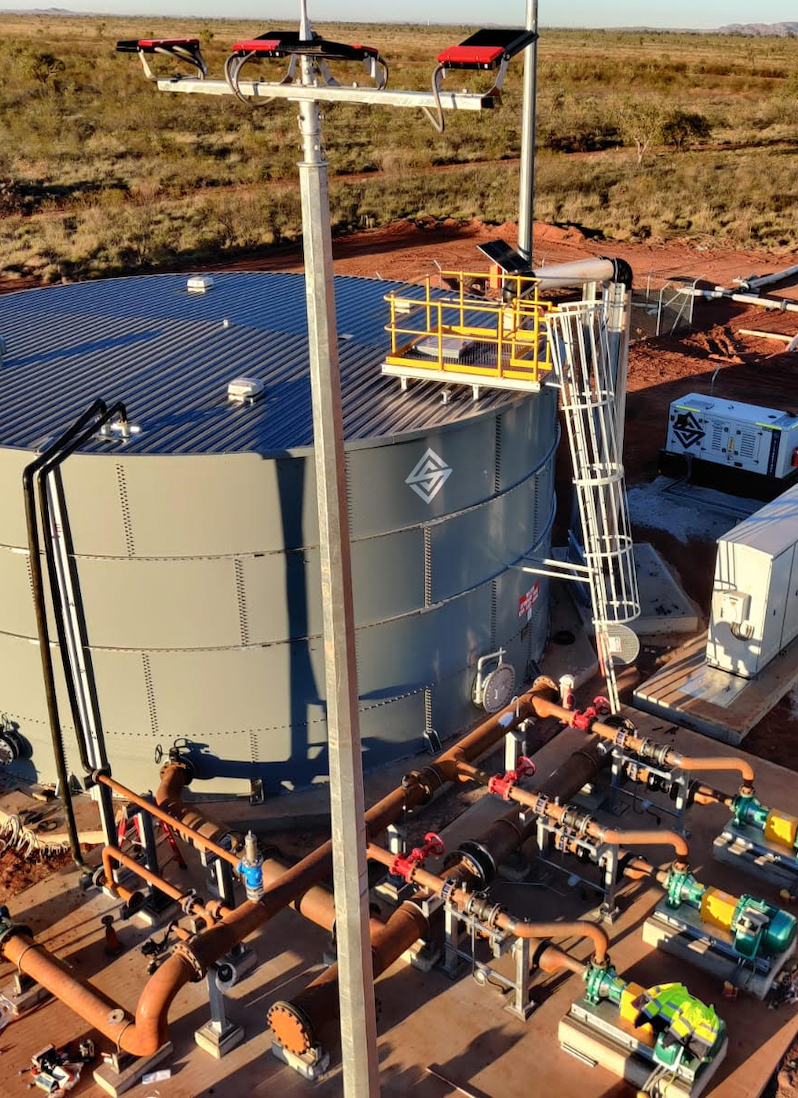
- Civil, pipelines, and earthworks: Precision installation of HDPE pipelines, pump stations, and site water infrastructure.
- Electrical and automation: HV/LV systems, control, telemetry, and integration with existing assets.
Silverstone’s integrated delivery reduces handover risk, speeds up execution, and ensures every system performs reliably throughout its lifecycle.
Case Study: Major Water Infrastructure Project, Pilbara WA
Silverstone successfully delivered a $5 million major water infrastructure project for a leading mining client in the Pilbara.
Scope: Design and construction of 12 km of DN450 PN16 HDPE pipeline, civil and earthworks, in-pit infrastructure, and electrical systems, including power, lighting, and telemetry controls.
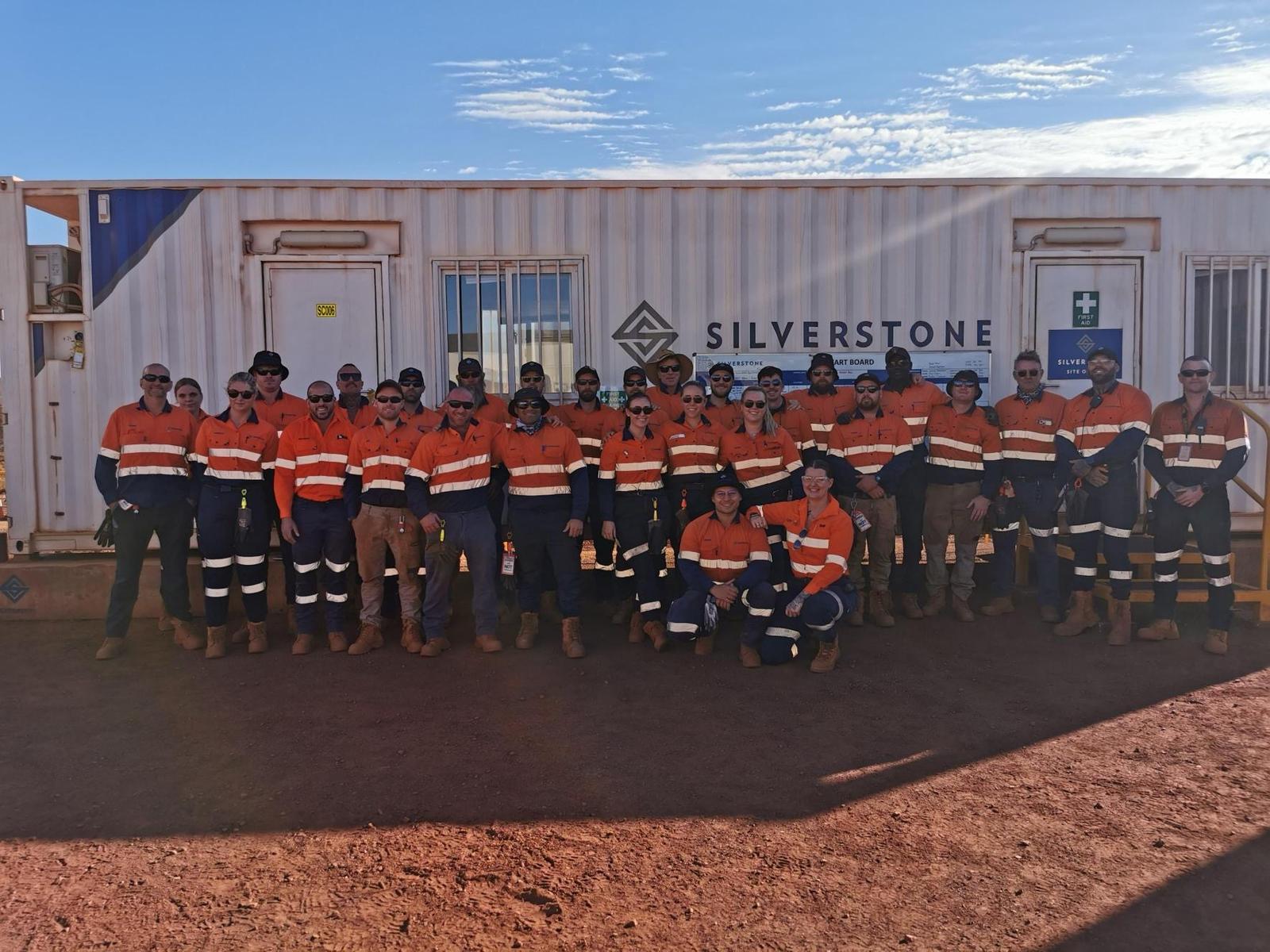
Execution: Working within active mining pits alongside autonomous haulage systems, Silverstone’s multidisciplinary team of 15 personnel coordinated mechanical, electrical, civil, and piping works with zero safety incidents.
Outcome: The project was completed safely, on time, and within budget. Silverstone’s integrated delivery model provided continuous operation support and exceeded client expectations for performance and reliability.
This project illustrates how a fully integrated water engineering company can meet demanding timelines, maintain compliance, and deliver durable infrastructure in Western Australia’s toughest mining environments.
Engineering Water Systems That Endure
Reliable water infrastructure demands foresight, expertise, and adaptability. In Western Australia’s mining regions, overcoming water infrastructure challenges means combining smart design with robust construction and proactive maintenance.
With complete design, engineering, and site services, Silverstone provides end-to-end water systems proven to perform in WA’s harshest mining conditions. Call +61 08 6365 5416 or email [email protected] to start planning your next project.