





Reliable power systems underpin every successful mining project in Western Australia. In remote regions, extreme conditions and complex logistics make dependable energy delivery essential for productivity and safety.
Many operations struggle to move from concept to commissioning without costly delays. Silverstone’s structured power system design process closes that gap with clear planning, coordinated engineering and disciplined project delivery.
Sector-Wide Energy Snapshot
Power use in Australia’s mining sector continues to rise as mines expand and ramp up operations. Understanding the scale helps explain why structured power system design is essential, especially in remote WA, where reliability is critical.
- The mining industry consumes around 500 petajoules of energy every year, equal to about 10% of Australia’s total demand.
- Most of that energy still comes from diesel (41%), natural gas (33%) and grid electricity (22%).
When energy demand is this high in remote areas, a well-planned design-to-execution process reduces the risk of costly outages.
Strong Results Start with a Structured Process
A structured process prevents costly mistakes when design and execution are disconnected. As experienced power engineering and design consultants, we bring our mechanical, electrical and civil teams together from day one to protect design intent through construction and commissioning.
That integrated approach builds efficiency and reliability. We start every power system with a clear roadmap from feasibility to testing and support, and we deliver consistent, reliable outcomes across Western Australia’s mining and energy sectors.
Step 1: Feasibility and Site Assessment
The process begins with understanding the client’s energy requirements and operational conditions. Silverstone performs detailed load assessments to determine energy demand, resource availability, and infrastructure needs.
Environmental and regulatory teams review every plan to ensure it aligns with Western Australian standards and site-specific constraints. They evaluate local access, terrain and environmental approval requirements to confirm compliance before design progresses.
Deliverable: Feasibility report and concept design outlining project capacity, sustainability options, and preliminary budgets.
Step 2: Concept and Detailed Engineering Design
Once the feasibility stage confirms viability, Silverstone’s engineers produce a comprehensive design. Mechanical, electrical, and civil elements are developed in unison, supported by advanced 3D modelling and load flow simulations.
Designs comply with AS/NZS safety standards and WA Energy Codes, ensuring full regulatory compliance and long-term performance. Every element undergoes peer review and quality assurance checks before construction begins.
Deliverable: Detailed design package and project plan with schematics, specifications, and risk assessments ready for implementation.
Step 3: Procurement and Project Planning
Procurement sets up each project for success. Silverstone sources high-quality components that meet the design specifications while managing complex logistics for Western Australia’s remote regions.
Our supplier relationships and local WA networks help us move equipment quickly to even the most isolated mining sites. The project team integrates risk management, scheduling, and transport into one coordinated plan.
Deliverable: Procurement and logistics plan, including equipment lists, construction timelines, and delivery schedules.
Step 4: Site Construction and Installation
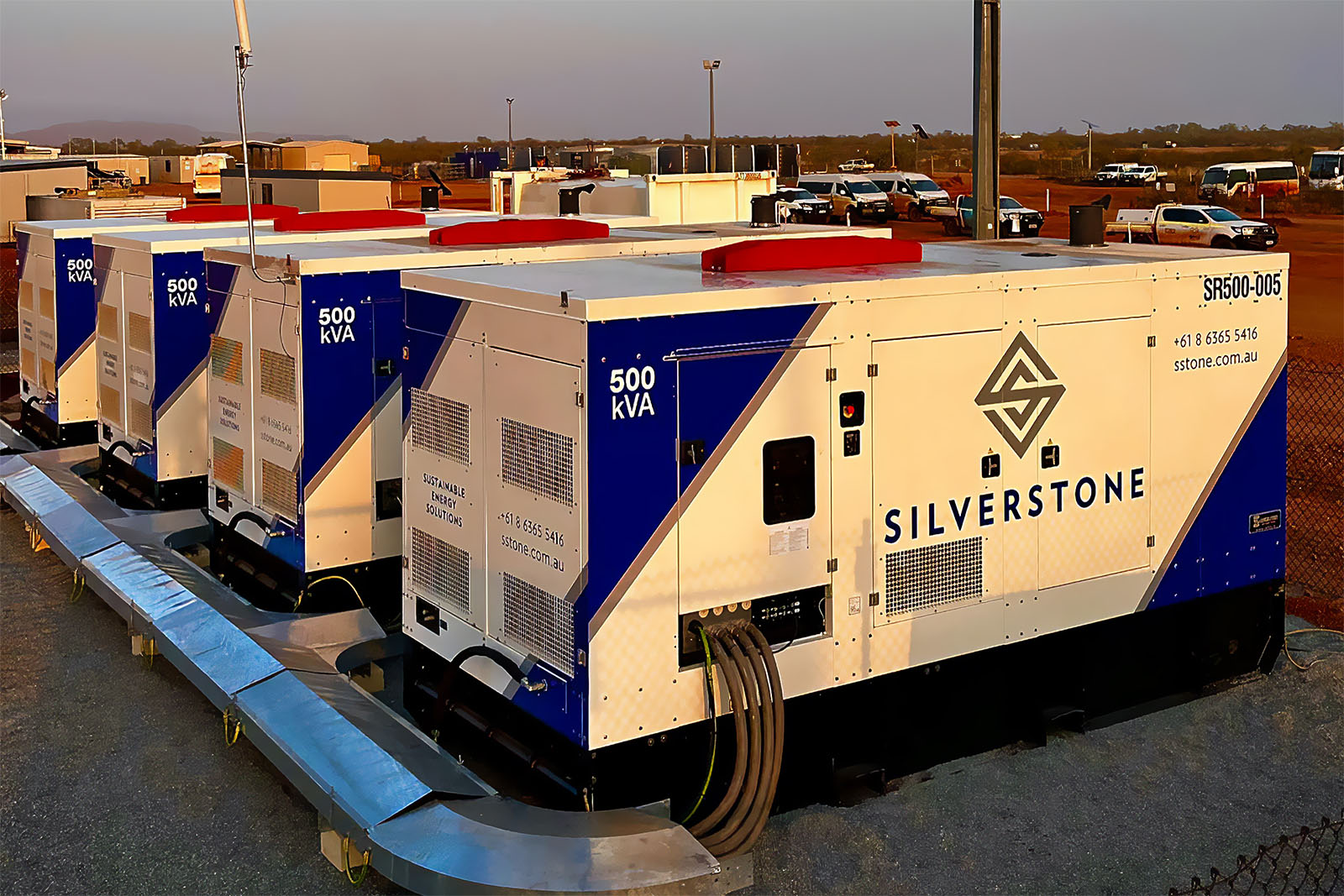
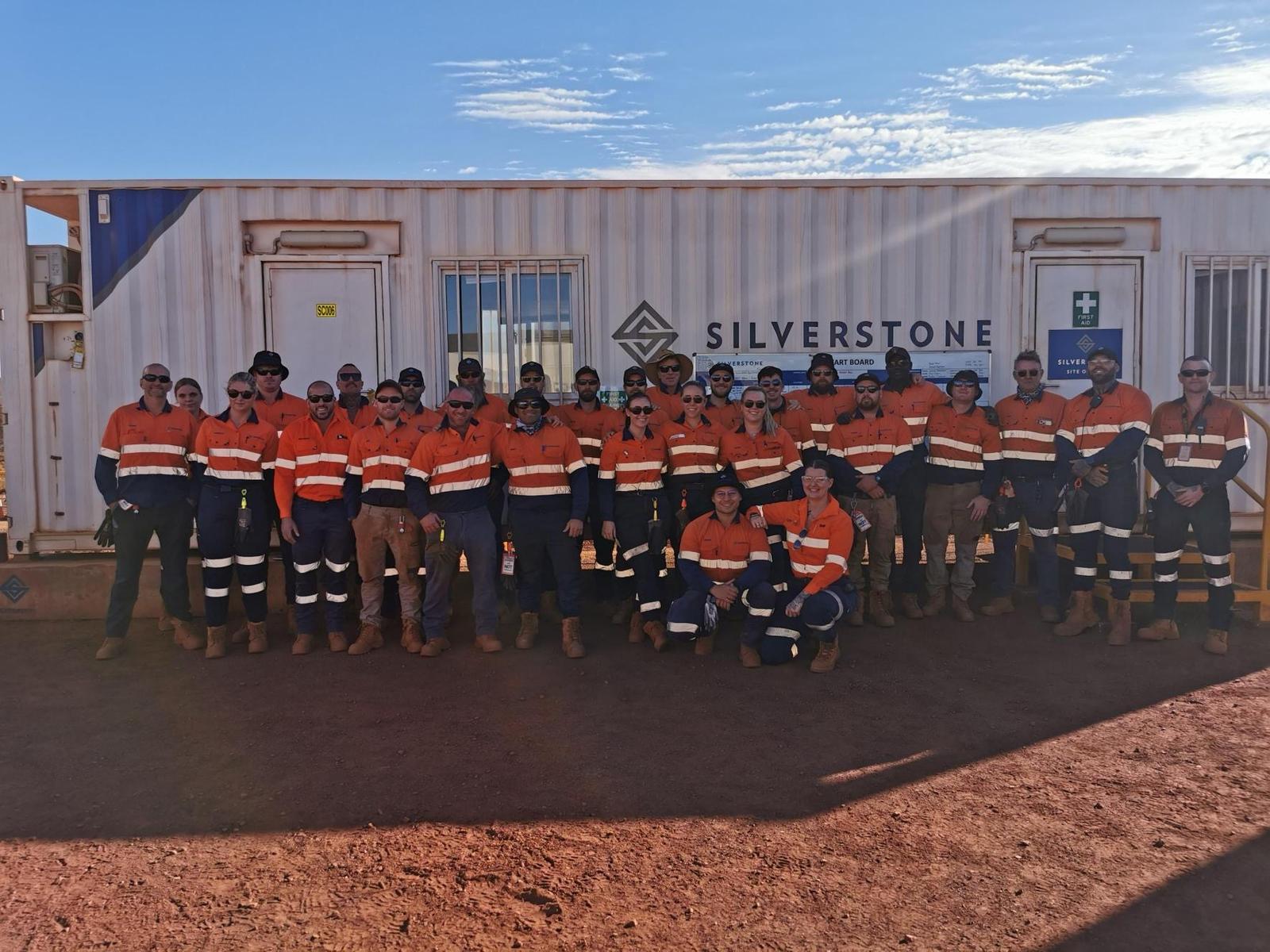
With all plans finalised, Silverstone’s site teams bring the design to life. Coordination between field crews and engineering departments maintains consistency and accuracy during installation.
Strict safety and quality controls govern every activity, from cable routing to generator installation. Working near active mining operations demands precise communication and continuous supervision. Silverstone’s teams maintain operational safety and minimise site disruption throughout construction.
Deliverable: Commission-ready installation, fully compliant with engineering and safety standards.
Step 5: Testing, Commissioning, and Handover
Testing validates system performance and reliability. Silverstone conducts performance checks, compliance verification, and load testing to ensure the installation meets design expectations.
Commissioning includes system optimisation, ensuring the infrastructure runs efficiently under local conditions. Client teams receive hands-on training to operate and maintain systems safely for long-term performance.
Deliverable: Commissioning report, performance data, and maintenance plan ready for client handover.
Step 6: Ongoing Maintenance and Support
Power systems in remote WA conditions face constant pressure from heat, dust, and vibration. Preventive maintenance extends equipment life and minimises downtime.
Silverstone provides continuous monitoring, diagnostics, and 24/7 field support. Remote systems track generator performance, solar output, and battery efficiency to detect faults early.
Deliverable: Comprehensive maintenance and support program tailored to each site’s operational needs.
Silverstone’s Success Story: 5 MW Solar Rollout in the Goldfields
Silverstone delivered a major renewable power project in the Goldfields using our structured power system design process.
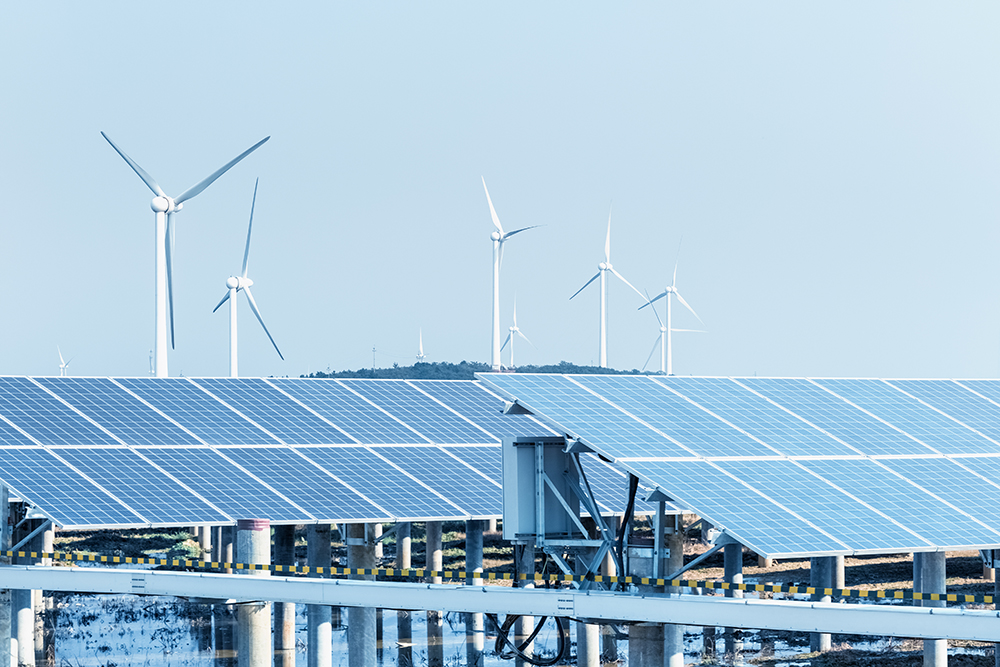
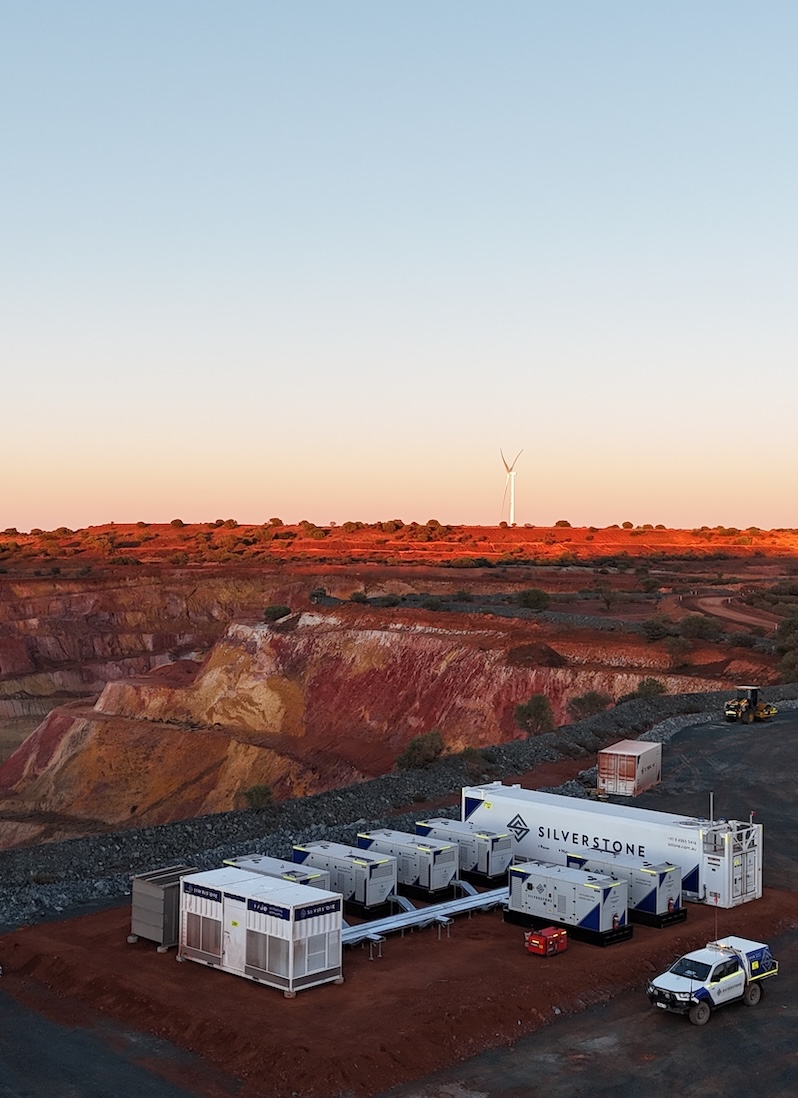
Scope: We installed 5 MW of solar panels using the new 5B Maverick system and completed all site clearing, anchor drilling and electrical reticulation from panels to inverters.
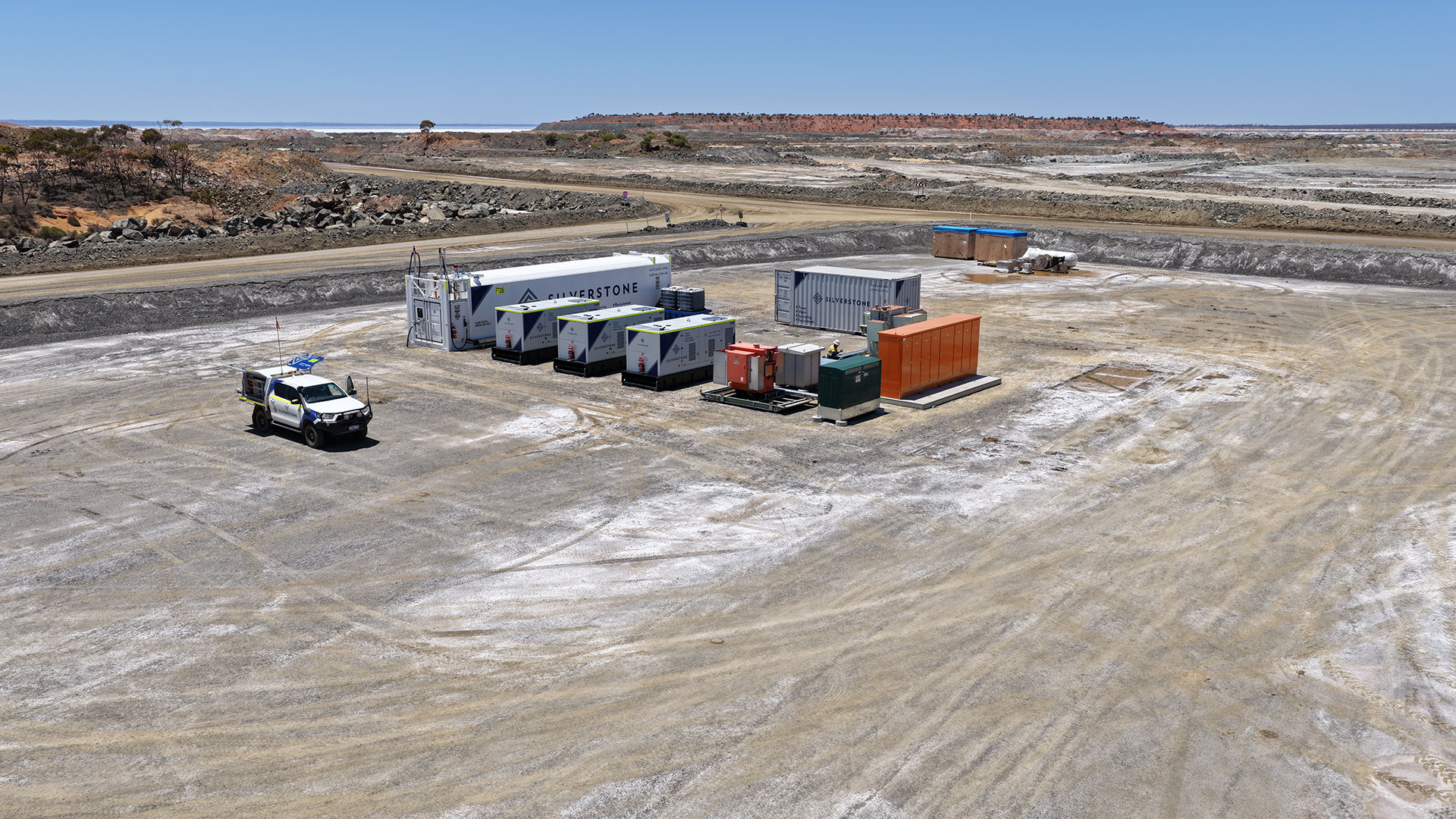
Execution: We managed the mechanical, electrical and installation work beside an active mining pit. Our precise coordination and strong safety systems kept operations running without disruption.
Outcome: We delivered the $1 million project safely, on time and within budget. It marked the first deployment of the 5B system in the region and demonstrated how large-scale solar can support mining operations in Western Australia.
The Real Cost of Power Failure in Mining
Power failures in mining cost companies millions when teams fail to design and deliver systems properly.
- The Australian Renewable Energy Agency reports that outages can cost millions of dollars per day, and restart delays push losses even higher.
- Industry benchmarks show downtime can reach A$349,000 per hour in lost production.
- In some Australian mines, unplanned maintenance removes 10% of total production time.
When you partner with Silverstone, you reduce the risk of outages by designing and executing power systems to suit your site from day one.
Learn more: When to Rent vs Buy Power Equipment: A Cost-Benefit Analysis.
The Silverstone Advantage in Power System Delivery
Silverstone’s strength lies in its end-to-end capability. By managing engineering, procurement and construction in-house, we maintain complete control over quality, schedule and safety.
Key advantages include:
- Local expertise: WA-based engineers and technicians experienced in mining environments.
- Integrated delivery: Seamless design-to-construction workflow with single-point accountability.
- Safety and compliance: Every project meets strict WA safety and environmental regulations.
- Sustainability: Hybrid and renewable systems that cut fuel use and reduce CO₂ emissions.
Delivering Reliable Energy
Silverstone’s power system design process transforms complex mining challenges into clear, dependable outcomes. From feasibility to commissioning, every phase focuses on safety, compliance, and performance under Western Australia’s most demanding conditions.
Silverstone works as a dedicated power engineering and design consultant for mining operators across WA. Call +61 08 6365 5416 or email [email protected] to plan a power system that supports your site long term.